 Skip to content
Nicaraguan culture is not a single tradition. It grew from three distinct roots: the Indigenous peoples of the Pacific and Caribbean coasts, the Spanish colonial period, and the Afro-Caribbean communities that shaped the country's eastern shore. Each left something behind, and what remains is a culture that expresses itself most clearly through movement, ritual, and food.
The dances are not just performances. They are documents. Each one carries a different chapter of Nicaragua's history.
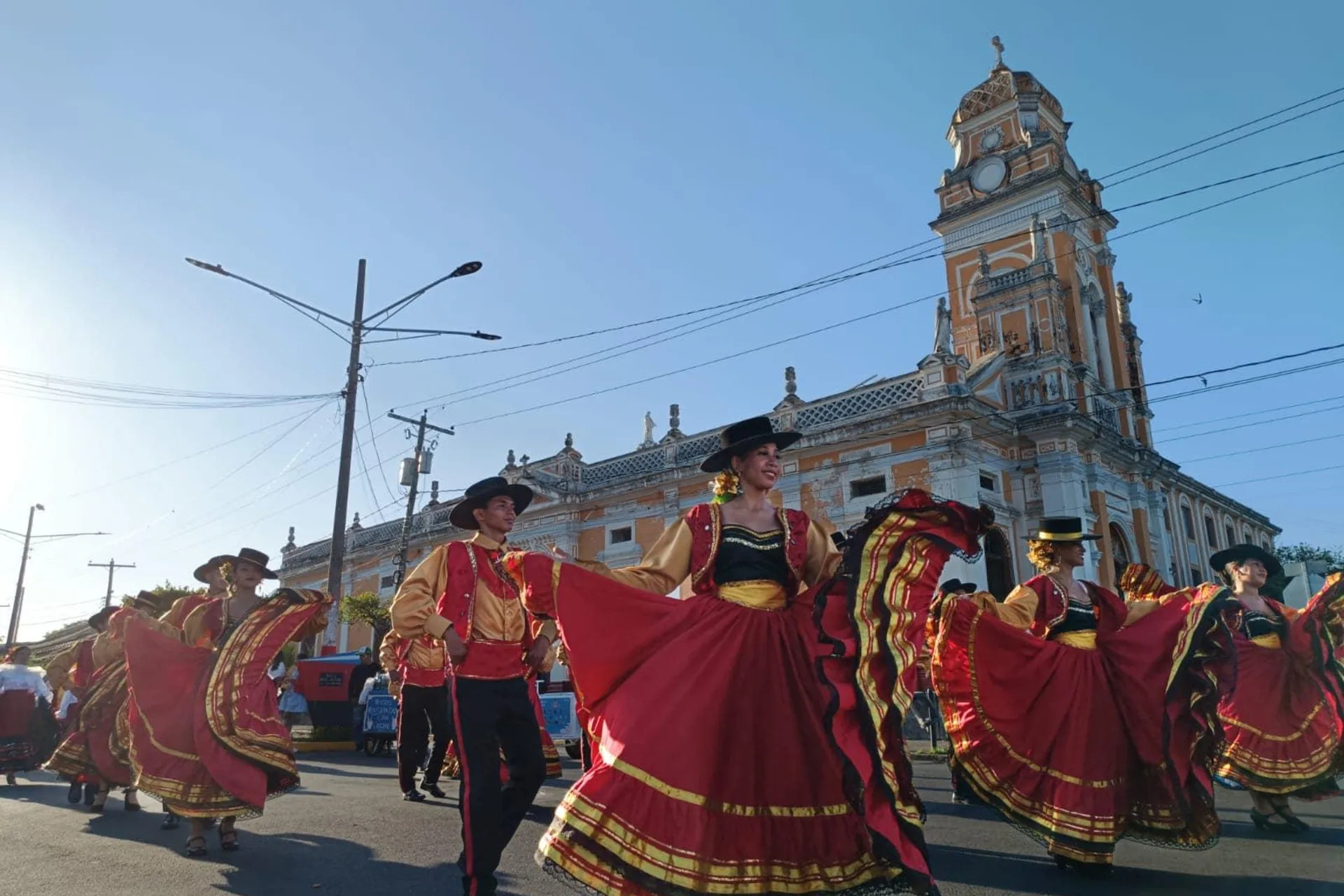
Nicaraguan folklore draws from both the Pacific and the Caribbean. The contrast between its two most recognized dances illustrates exactly how different those two worlds are.
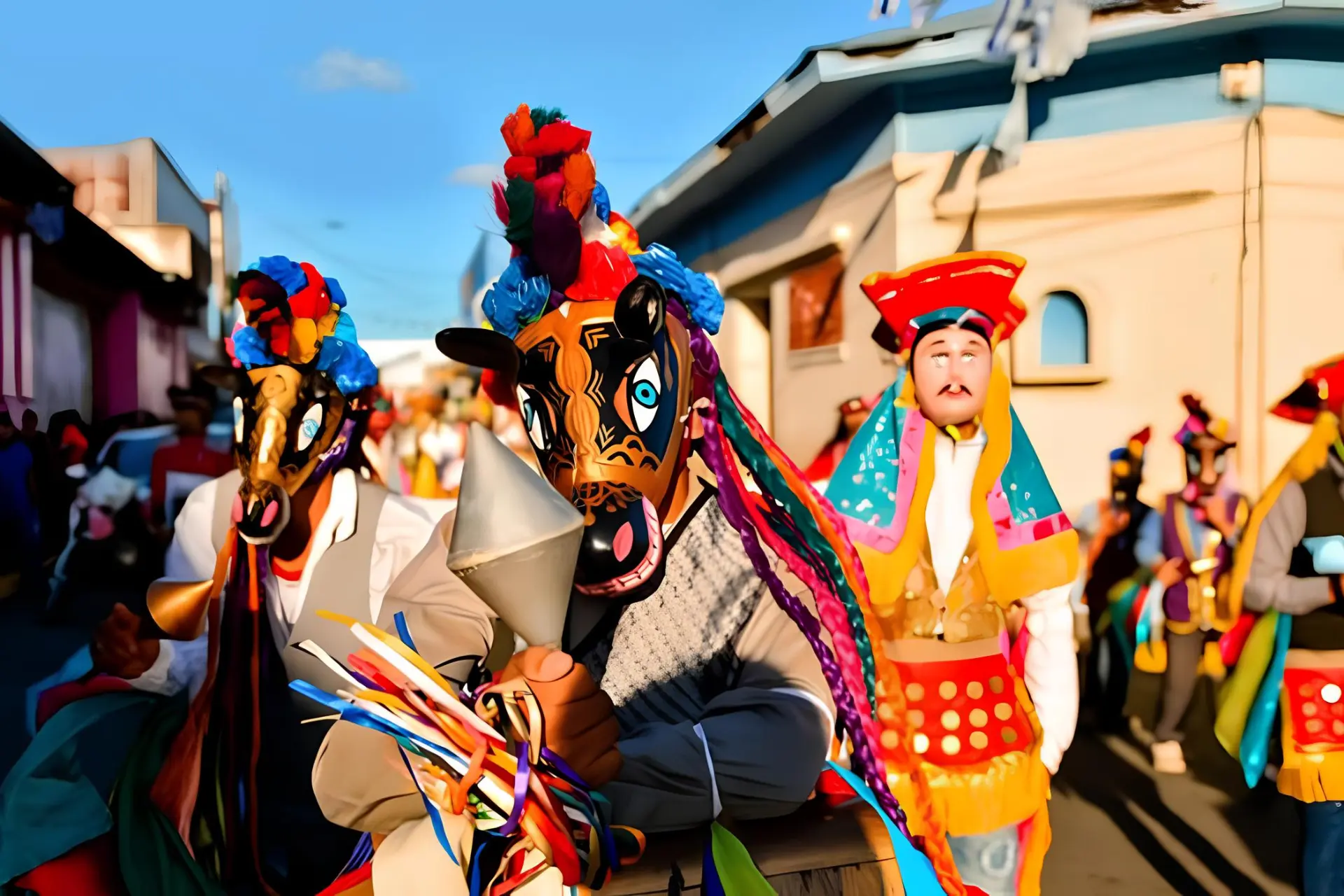
El Güegüense is a dance-drama that originated during the colonial period in Diriamba, on the Pacific coast. It combines Indigenous and Spanish theatrical elements into a single performance built on humor and provocation. The central character uses wit and wordplay to mock and outwit colonial authority, turning the stage into a space of quiet defiance.
It is considered one of Nicaragua's most significant cultural expressions. Watching it performed is not just entertainment: it is a reminder of how a culture can resist without raising a weapon
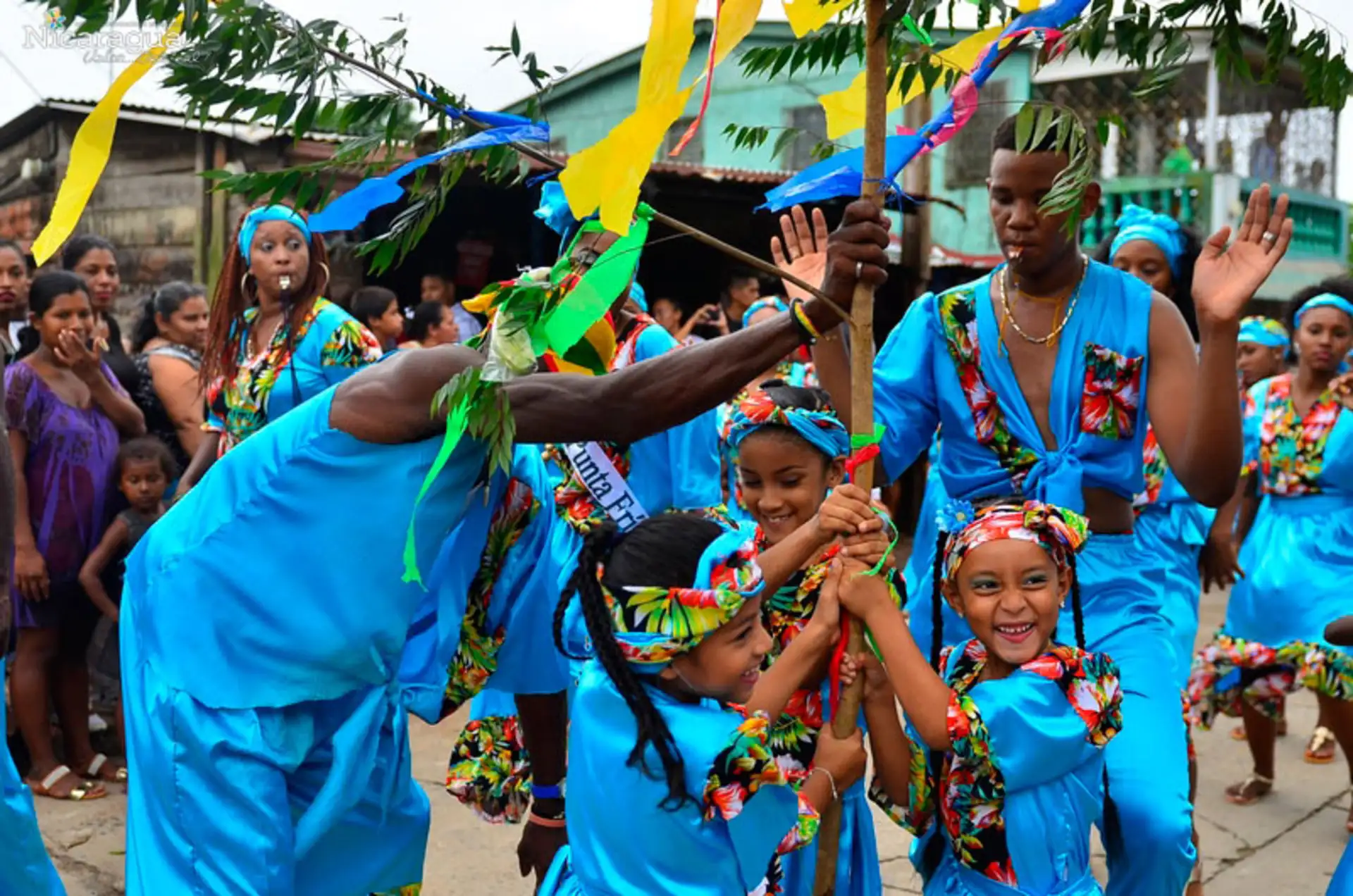
Palo de Mayo comes from a completely different world within Nicaragua. It originates from Bluefields, on the Caribbean Coast, rooted in Afro-Caribbean traditions that developed over centuries along the eastern shore. The dance is tied to the month of May and carries themes of fertility, abundance, and collective joy.
Where El Güegüense is theatrical and layered, Palo de Mayo is immediate and visceral. It is built on rhythm and movement, and it reflects the spirit of a community that has always celebrated life with full force.
Traditional Nicaraguan food is built around shared meals. The Caballo Bayo is one of the clearest expressions of that: a spread of dishes served together, meant to be eaten collectively rather than individually plated.
A full Caballo Bayo includes:
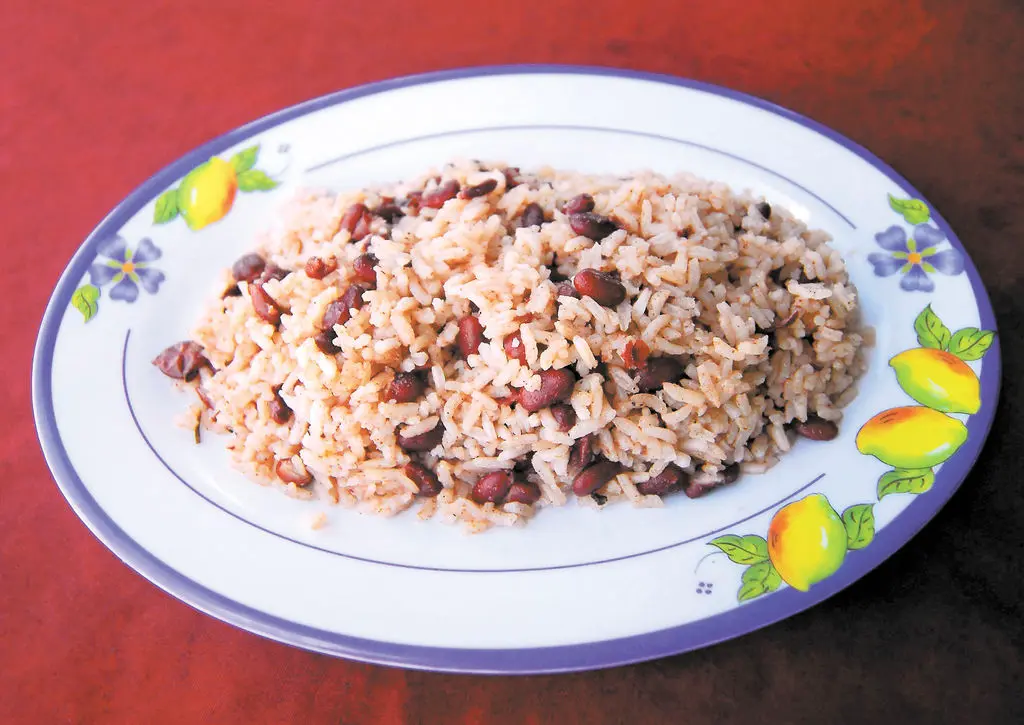
Gallo Pinto
Rice and red beans cooked together, the base of most Nicaraguan meals
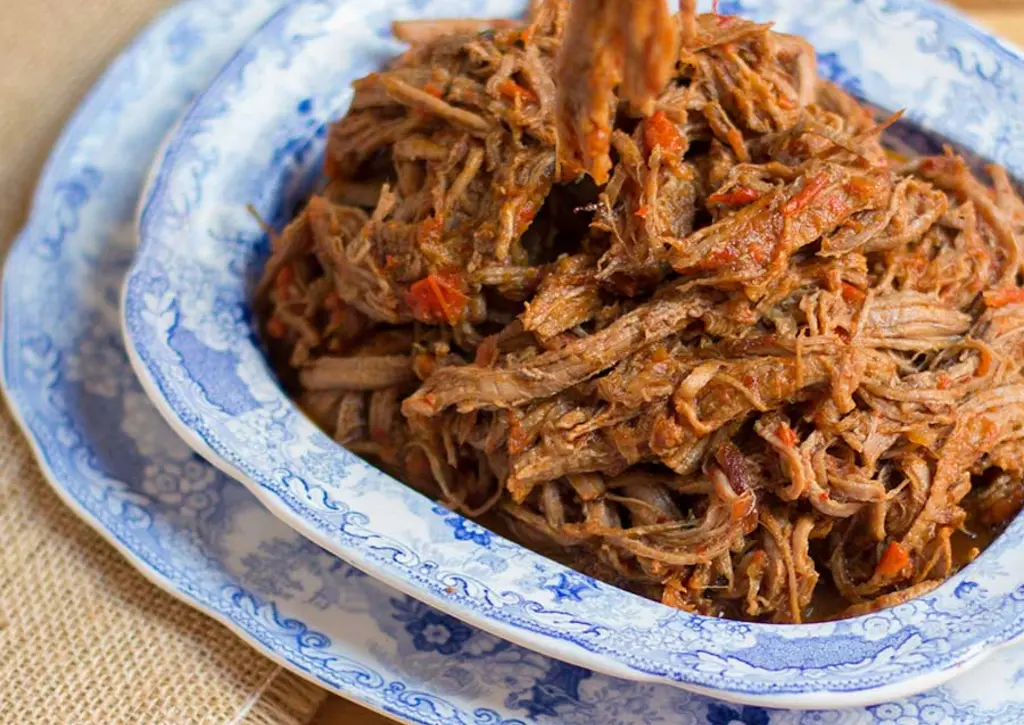
Desmenuzada de res
Slow-cooked shredded beef
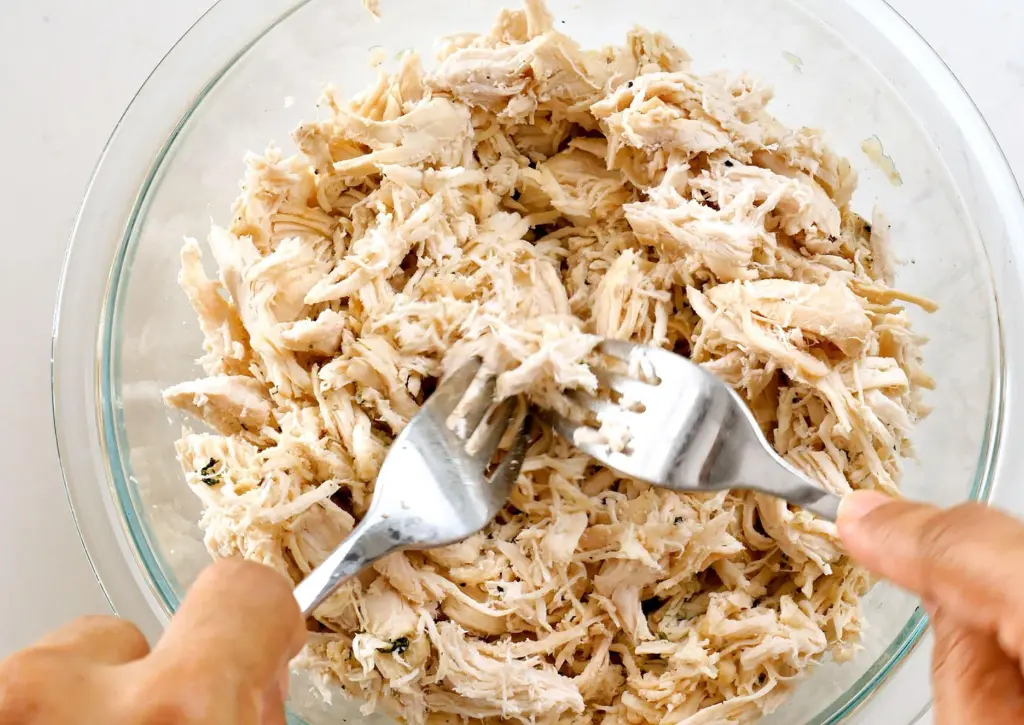
Desmenuzada de pollo
Slow-cooked shredded beef
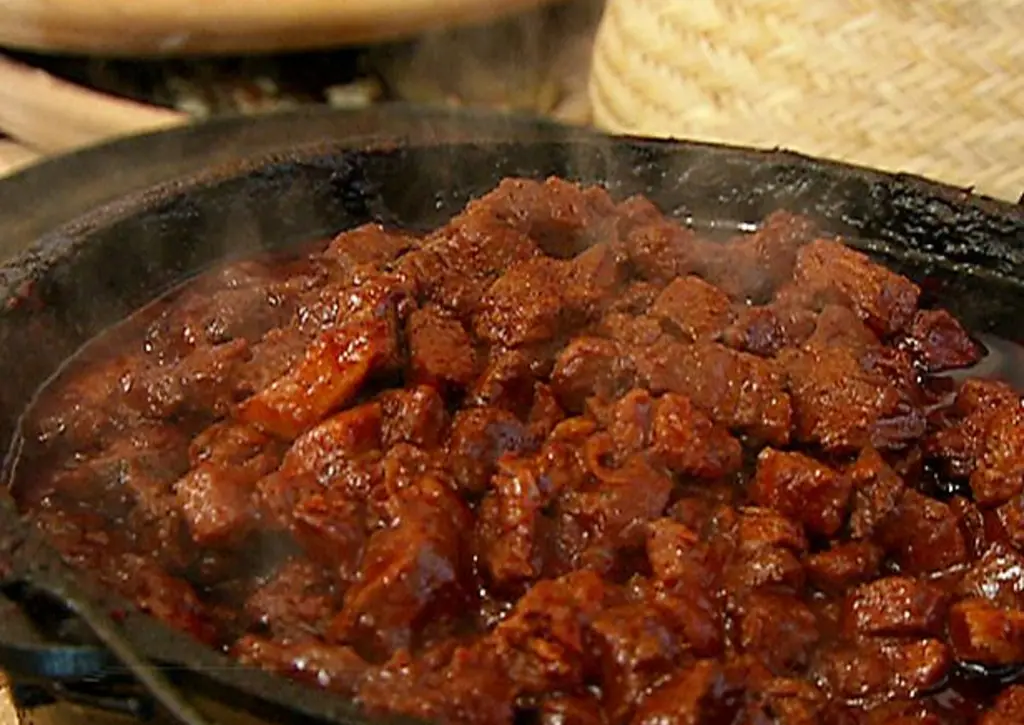
Cerdo adobado
Pork marinated in local spices
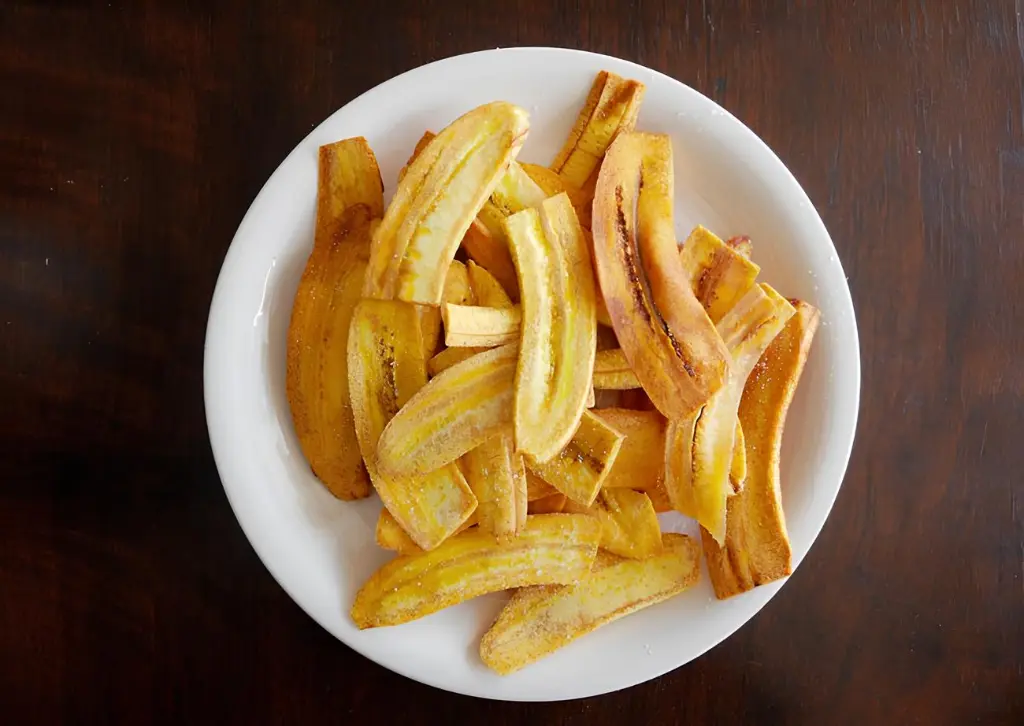
Tajadas verdes
Fried green plantain slices
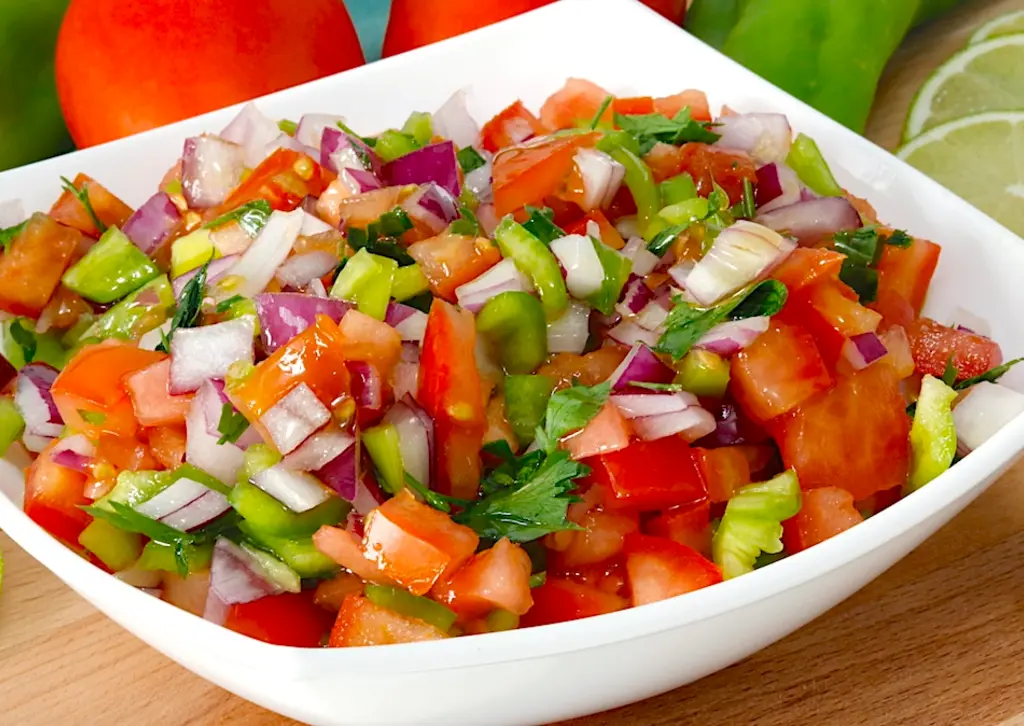
Pico de gallo
Fresh tomato and onion relish

Crema
Nicaraguan-style sour cream
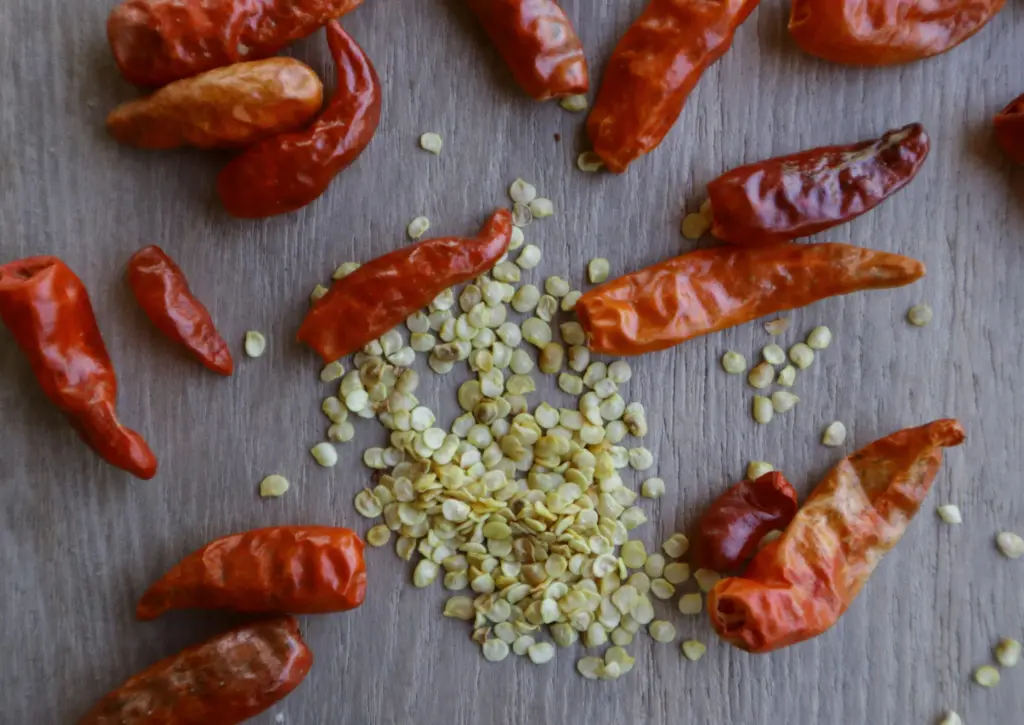
Chile criollo
Local chili condiment
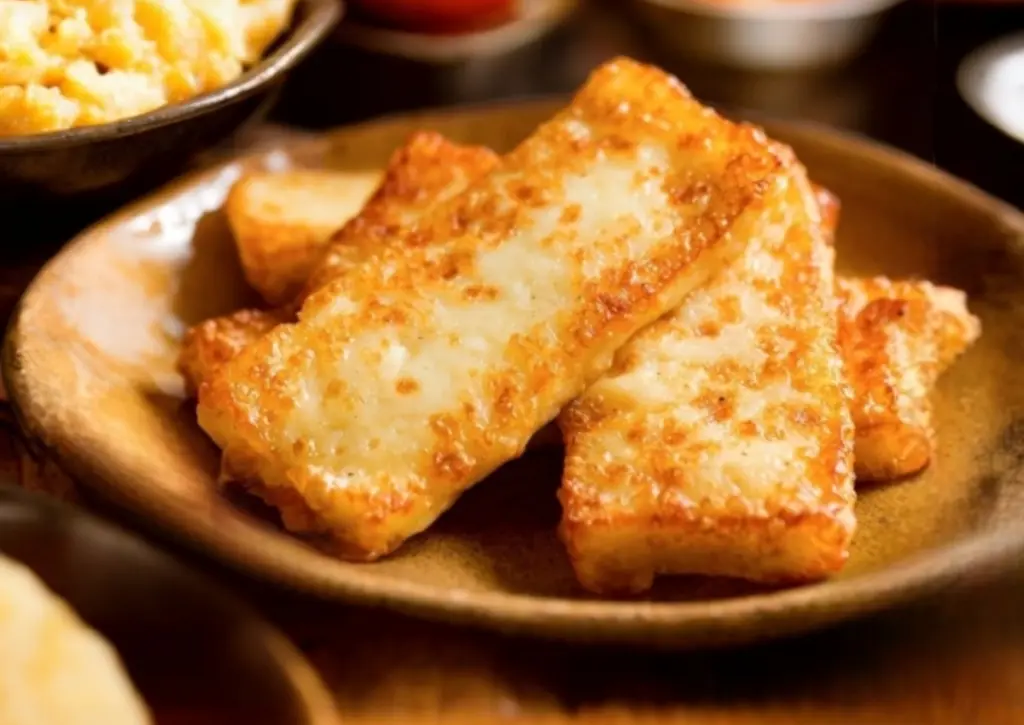
Queso frito
Fried white cheese
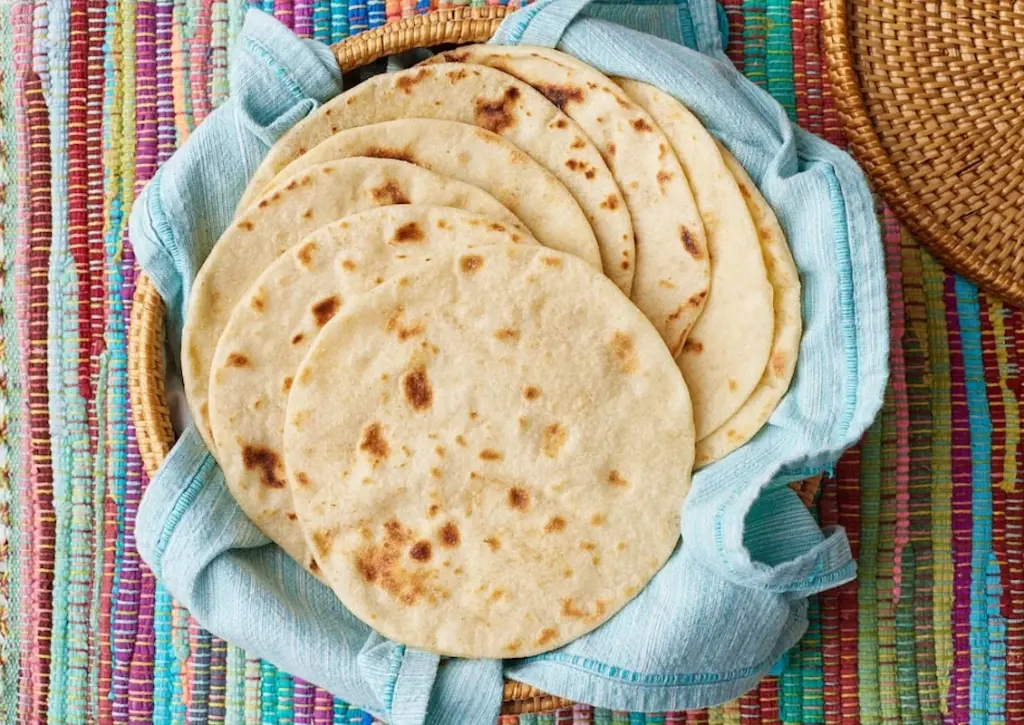
Tortillas
Handmade corn tortillas
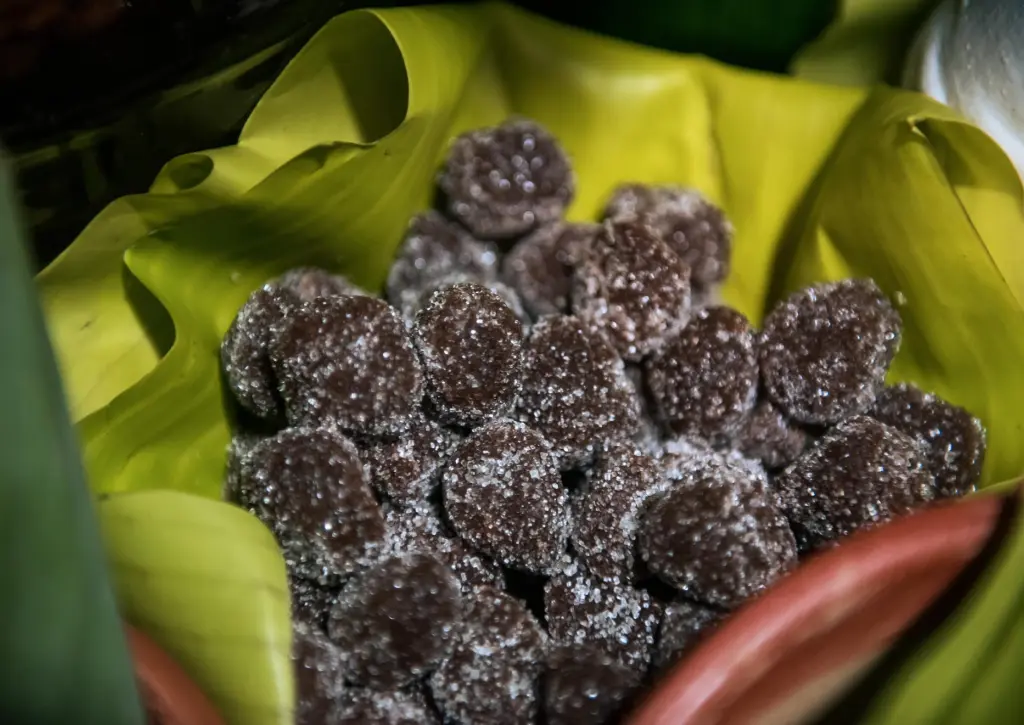
Cajetas
Traditional sweets made from caramelized milk and fruit
The Nica Night brings this culture together in one evening. Traditional dances are performed live, the full Caballo Bayo is served, and national cocktails are 2-for-1 throughout the night.
It is the most direct way to experience Nicaraguan traditions: the dances, the food, and the shared spirit of it, all in one place on the Pacific coast.
Reserve your spot →